

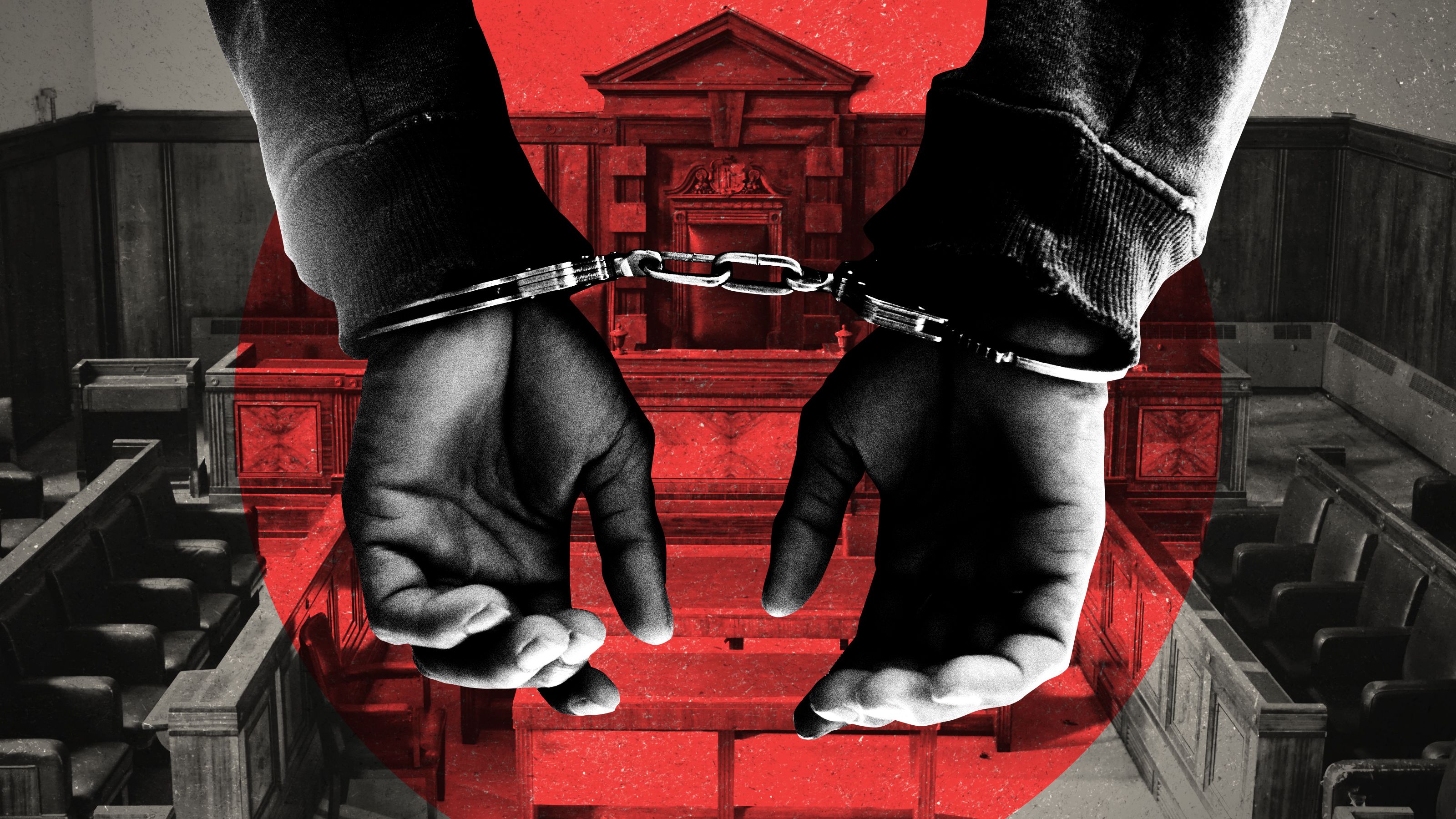
The negative effects of the criminal justice system on Black men are profound and far-reaching.
The American criminal justice system has long been criticized for its disproportionate impact on African Americans, particularly Black men. From mass incarceration to systemic discrimination in sentencing, policing, and reentry into society, Black men continue to face severe disadvantages. Historical and contemporary policies—such as Jim Crow laws, the War on Drugs, and mandatory minimum sentencing—have exacerbated these issues, making it difficult for Black men to overcome the stigma of a criminal record. This article will examine the extensive negative effects of the criminal justice system on Black men, supported by statistical evidence and historical context.

Mass Incarceration of Black Men
The United States has the highest incarceration rate in the world, and Black men are disproportionately affected. According to the Sentencing Project, Black men are incarcerated at nearly six times the rate of white men. While African Americans comprise approximately 13% of the U.S. population, they make up nearly 40% of the prison population. This racial disparity is not a coincidence but rather the result of centuries of systemic racism embedded in law enforcement and judicial policies.
The Bureau of Justice Statistics (BJS) reports that about one in three Black men will be incarcerated at some point in their lifetime. This staggering figure highlights how deeply entrenched racial bias is in the legal system. Additionally, studies have shown that Black men often receive longer sentences than their white counterparts for the same crimes. The U.S. Sentencing Commission found that Black men receive sentences that are, on average, 19.1% longer than those given to white men for similar offenses.
The Stigma of a Criminal Record
Beyond incarceration, the consequences of a criminal record create lifelong barriers. The Prison Policy Initiative estimates that nearly 8% of Black men have a felony conviction, a statistic that significantly limits their opportunities. With a felony record, Black men face difficulties in securing employment, obtaining housing, voting, and accessing higher education. Many employers conduct background checks and are less likely to hire someone with a criminal history. According to a study by the National Institute of Justice, applicants with a criminal record are 50% less likely to receive a callback, and the numbers are even worse for Black men.
This stigma extends to housing as well. Landlords frequently reject applicants with felony convictions, forcing many formerly incarcerated Black men into homelessness or unstable living conditions. Additionally, voter disenfranchisement laws disproportionately affect Black men, preventing them from participating in democracy and advocating for policies that could improve their communities.

A Historical Perspective: Jim Crow and Beyond
The over-policing and mass incarceration of Black men can be traced back to the post-Civil War era. Following the abolition of slavery, Southern states enacted Black Codes, laws that criminalized minor offenses such as vagrancy and loitering, disproportionately targeting Black men. These laws were designed to ensure a steady supply of labor through the convict leasing system, which effectively re-enslaved Black individuals by forcing them to work for private industries.
Jim Crow laws further institutionalized racial discrimination, with law enforcement and courts enforcing segregation and disproportionately punishing Black citizens. Even after the Civil Rights Movement of the 1960s, the justice system continued to disproportionately target Black men through policies such as stop-and-frisk and racial profiling.
The War on Drugs and Its Impact
One of the most devastating policies contributing to the mass incarceration of Black men was the War on Drugs, initiated by President Richard Nixon in the 1970s and aggressively expanded under President Ronald Reagan in the 1980s. Despite similar drug usage rates across racial groups, Black men were disproportionately targeted for drug-related offenses. The introduction of harsh mandatory minimum sentences, particularly for crack cocaine (a drug more commonly associated with Black communities) compared to powder cocaine (used more frequently by white individuals), led to severe sentencing disparities. Under the Anti-Drug Abuse Act of 1986, possessing just five grams of crack cocaine triggered a five-year mandatory minimum sentence, while the same sentence for powder cocaine required possession of 500 grams.
The result was a dramatic increase in the incarceration of Black men for nonviolent drug offenses. In the 1980s and 1990s, drug arrests skyrocketed, and the prison population exploded. The War on Drugs not only separated Black families but also left entire communities destabilized, as countless Black men were removed from society, unable to provide for their families or contribute to their communities.
Criminal Justice Reform Efforts
In recent years, there have been some efforts to address these disparities. The Fair Sentencing Act of 2010 reduced the sentencing disparity between crack and powder cocaine from 100:1 to 18:1, acknowledging the racist impact of previous drug policies. The First Step Act, passed in 2018, also aimed to reduce mandatory minimums and provide opportunities for early release and rehabilitation.
Despite these reforms, much work remains. Many advocates push for broader sentencing reforms, including eliminating mandatory minimums, restoring voting rights to former felons, and increasing investments in rehabilitation and reentry programs. Organizations like the Equal Justice Initiative, led by Bryan Stevenson, work to address racial injustices in the legal system and advocate for fairer policies.

The Need for Change
The negative effects of the criminal justice system on Black men are profound and far-reaching. From disproportionate incarceration rates to the lifelong consequences of a criminal record, Black men face systemic barriers that hinder economic mobility, social integration, and personal growth. These injustices are deeply rooted in history and continue to affect generations of African Americans.
While legislative efforts and advocacy work have made some progress, comprehensive criminal justice reform is essential to dismantle these inequalities. Society must address not only the policies that disproportionately criminalize Black men but also the biases within law enforcement, the courts, and broader societal structures. Without meaningful change, the cycle of racial injustice in the criminal justice system will persist, continuing to devastate Black communities across the nation.