

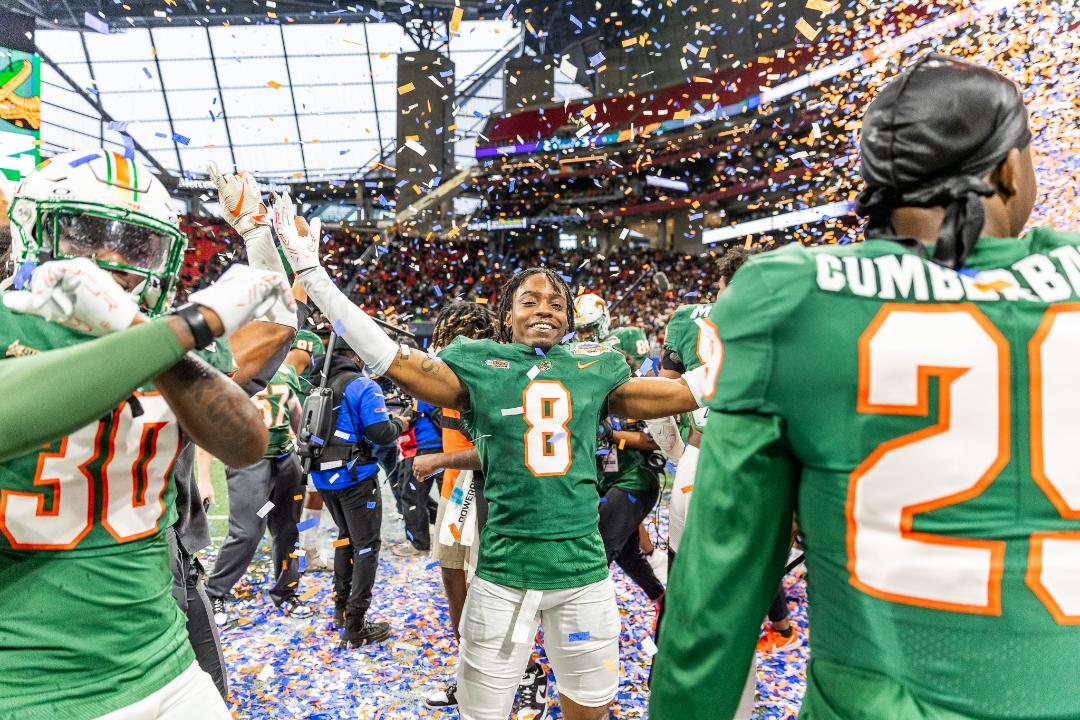
The Rich History of HBCU Sports

Historically Black Colleges and Universities (HBCUs) have played a vital role in shaping the landscape of collegiate athletics. Since their inception in the 19th century, HBCUs have provided opportunities for Black athletes who were often barred from competing in predominantly white institutions due to segregation and racial discrimination. These schools became the training grounds for some of the greatest athletes in American history, producing legends such as Jerry Rice, Walter Payton, and Doug Williams.
Throughout much of the 20th century, HBCUs were a dominant force in sports, particularly in football and basketball. Before the integration of college athletics, Black athletes found a home at schools like Grambling State, Florida A&M, Jackson State, and Southern University. Coaches like Eddie Robinson of Grambling State built powerhouse programs that rivaled and often outperformed many predominantly white institutions. However, as integration became more prevalent in the latter half of the 20th century, many Black athletes were recruited by major Division I schools, leading to a decline in the national prominence of HBCU sports programs.
Despite this shift, HBCU athletics remained a cornerstone of Black culture, producing elite talent and hosting major events like the Bayou Classic and the Celebration Bowl, which continue to draw significant crowds and media attention.
Deion Sanders and the Revival of HBCU Sports
A recent turning point for HBCU sports came with the arrival of Deion Sanders as the head coach of Jackson State University’s football team in 2020. Sanders, a Pro Football Hall of Famer and charismatic leader, immediately brought national attention to Jackson State and HBCU athletics as a whole. His influence transcended coaching; he became an ambassador for the entire HBCU sports movement.
Under his leadership, Jackson State saw a surge in financial investments, sponsorship deals, and media coverage. Attendance at games skyrocketed, merchandise sales increased, and television networks began broadcasting HBCU games at a higher frequency. Sanders also used his platform to advocate for improved facilities and greater financial support for HBCU athletic programs. His tenure at Jackson State was highlighted by an undefeated regular season in 2022 and a Southwestern Athletic Conference (SWAC) championship.
Perhaps Sanders’ most significant impact was in recruiting. He managed to secure commitments from top-tier high school prospects, including Travis Hunter, the No. 1-ranked recruit in the country at the time. This was a groundbreaking moment, proving that HBCUs could compete with major programs for elite talent. Although Sanders eventually left Jackson State to take the head coaching job at the University of Colorado, his influence on HBCU sports remains undeniable. He demonstrated the untapped potential of these programs and laid the groundwork for future success.

The Business of HBCU Sports and Future Earning Potential
The financial landscape of HBCU sports is undergoing a transformation. Traditionally, HBCU programs have faced funding challenges, struggling to compete with the lucrative budgets of Power Five schools. However, the recent resurgence in interest, largely sparked by Sanders and other high-profile figures, has opened doors for increased revenue generation.
Corporate sponsorships have begun to pour into HBCUs, with companies like Pepsi, Under Armour, and Walmart investing in these programs. The exposure provided by social media and streaming platforms has also allowed HBCU sports to reach a broader audience, leading to higher ticket sales and greater merchandising opportunities. Additionally, events like the Celebration Bowl, which is considered the Black College Football National Championship, have started to attract major television deals, further increasing revenue potential.
Another significant financial development is the rise of Name, Image, and Likeness (NIL) opportunities. HBCU athletes now have the ability to profit from their personal brands, something that was nearly impossible in previous generations. As more businesses recognize the marketing potential of HBCU athletes, these schools will likely see a continued influx of financial resources.
To fully capitalize on this momentum, HBCUs must continue investing in infrastructure, coaching, and recruitment. Enhanced training facilities, improved stadiums, and better travel accommodations will make these programs more attractive to elite athletes and sponsors. If managed correctly, the earning potential of HBCU sports could rival that of many mid-major Division I programs in the near future.
The Bias Against HBCU Athletes in Professional Sports
Despite producing some of the greatest athletes in history, HBCUs continue to face systemic bias when it comes to professional scouting and draft selections, particularly in the NFL. While Power Five conference athletes are regularly given national exposure and multiple scouting opportunities, HBCU players often struggle to receive the same level of recognition.
For years, NFL teams have overlooked HBCU talent, with only a handful of players being drafted annually. This is a stark contrast to the 1960s and 1970s when HBCU players dominated the league. The shift is largely due to the consolidation of recruiting power among major conferences, which has led to an inherent bias against athletes from smaller programs. Many scouts and front-office executives still operate under the outdated notion that HBCU competition levels are inferior, despite countless examples proving otherwise.
The lack of representation in professional leagues has also been exacerbated by limited media coverage. While Power Five athletes receive national television exposure and participate in high-profile all-star games, HBCU athletes often rely on regional showcases and personal networking to gain recognition.
However, in recent years, there has been a push to change this narrative. The NFL has started hosting HBCU-specific scouting combines, allowing players to showcase their skills in front of professional scouts. Additionally, former NFL players and coaches, including Sanders, have been vocal advocates for increasing opportunities for HBCU athletes. The 2022 and 2023 NFL Drafts saw a slight uptick in HBCU players being selected, indicating a slow but positive shift in perception.

The Future of HBCU Sports
Looking ahead, the future of HBCU sports is bright, but it will require continued investment and advocacy. With the momentum created by figures like Deion Sanders, the financial backing from major corporations, and the growing influence of social media, HBCUs are in a prime position to reclaim their status as elite athletic programs.
Several key factors will determine the trajectory of HBCU sports in the coming years:
- Recruitment of Top Talent – As more high-profile athletes commit to HBCUs, the level of competition will increase, drawing further attention and investment.
- Financial Investment – Continued sponsorships, TV deals, and NIL opportunities will be crucial in leveling the playing field with larger programs.
- Improved Facilities – Upgraded training facilities, stadiums, and coaching staffs will make HBCUs more attractive to recruits and professional scouts.
- Increased Media Coverage – Greater exposure on national television and streaming platforms will help change perceptions about the competitiveness of HBCU sports.
- Advocacy for Professional Opportunities – Ensuring that HBCU athletes receive fair opportunities at the professional level will be essential for maintaining credibility and appeal.
HBCU sports have always been a vital part of American athletic history, and with the right investment and strategic initiatives, they can experience an unprecedented renaissance. The blueprint for success has been laid, and as more stakeholders recognize the value of these programs, the sky is the limit for the future of HBCU athletics.