

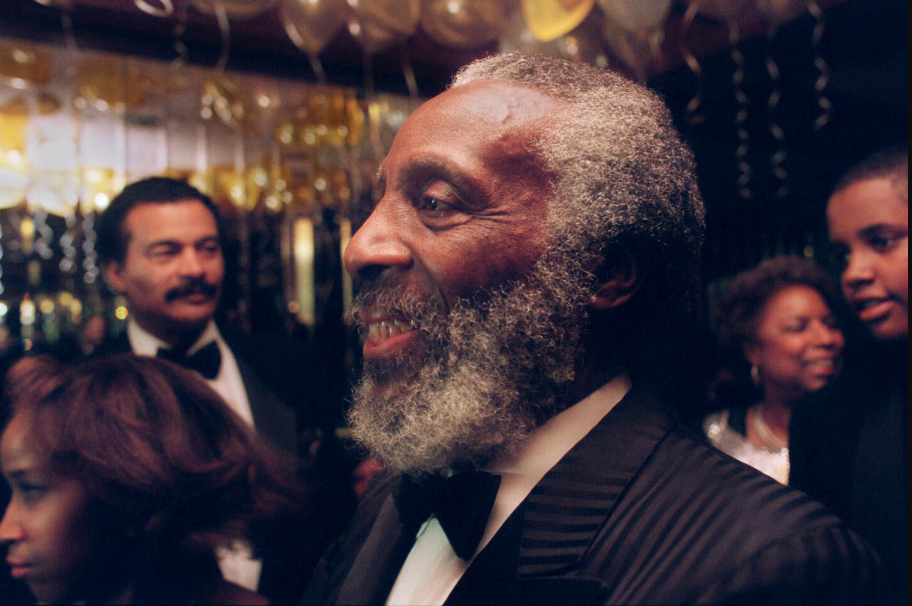
Gregory’s message was clear: Black health was a matter of life and death

Dick Gregory was a comedian, activist, and health advocate whose influence stretched far beyond entertainment. His work in the realm of health and nutrition was revolutionary, particularly for the Black community, which has historically suffered from poor dietary conditions and systemic health disparities. Gregory’s teachings on plant-based diets, fasting, and holistic wellness were groundbreaking, offering an alternative to the unhealthy food culture that had been ingrained in Black American life for centuries.
The History of Poor Health and Diet in Black America
From the era of slavery through the 20th century, Black Americans have endured a long history of nutritional deprivation and poor health outcomes. Enslaved Africans were often given the least nutritious food scraps, leading to the creation of meals based on necessity rather than health. This resulted in the birth of what would later be known as soul food—a cuisine rich in flavor but often high in fat, salt, and sugar. While these foods became cultural staples, they also contributed to widespread health issues such as hypertension, diabetes, and obesity within the Black community.
The systemic nature of food injustice in America continued long after slavery. Throughout the Jim Crow era and beyond, Black neighborhoods often lacked access to fresh, healthy food options, a phenomenon now known as food deserts. Instead, processed and fast foods became dietary mainstays, exacerbating health problems. Despite cultural pride in traditional foods, the health consequences of high-fat, high-cholesterol diets were undeniable.
The Rise of Unhealthy Soul Food and Its Impact
Soul food emerged as a celebration of Black resilience and culture, but its ingredients often stemmed from necessity rather than choice. Foods like fried chicken, pork-based dishes, and starchy sides became dietary cornerstones. While delicious and deeply connected to history, many of these foods contributed to chronic diseases that disproportionately affect Black Americans.
Frying foods in lard, eating excessive amounts of red meat, and consuming high-sodium dishes led to some of the highest rates of cardiovascular diseases in the country. Generations of Black families suffered from preventable diseases largely due to dietary habits that, while culturally rich, were nutritionally poor.
Efforts for Better Collective Health
In recent decades, there have been significant efforts to reform Black American diets and promote healthier lifestyles. Movements advocating for plant-based eating, veganism, and whole foods have gained traction, particularly among younger generations. Public figures like Dr. Sebi, Queen Afua, and later influencers in the health space have pushed for dietary changes, but Dick Gregory was among the first to champion this cause on a national level.
Dick Gregory: From Comedy to Activism
 Before becoming a health advocate, Dick Gregory made a name for himself as a groundbreaking comedian in the 1960s. He was among the first Black comedians to break into mainstream white audiences, using his sharp wit to address racial injustices. His comedy was political, tackling issues of segregation, police brutality, and systemic racism head-on.
As his activism deepened, Gregory became a major figure in the Civil Rights Movement, working alongside Dr. Martin Luther King Jr. and participating in marches, protests, and hunger strikes. His commitment to justice extended beyond racial issues—he became a staunch advocate for holistic health, recognizing the link between oppression and poor nutrition.
Dick Gregory’s Teachings on Health and Nutrition
Gregory’s transformation into a health guru began in the 1970s when he embraced a vegetarian, then vegan, lifestyle. He credited fasting and plant-based eating with transforming his own health, and he began sharing his knowledge with the Black community. Gregory viewed food as a tool for liberation, arguing that dietary habits were a direct reflection of systemic oppression.
His book Cooking with Mother Nature laid out the principles of a plant-based diet, emphasizing the benefits of raw foods, herbal remedies, and fasting. Gregory also developed a nutritional product called the Bahamian Diet, which he marketed as a tool for weight loss and detoxification.
Fasting was a major component of Gregory’s philosophy. He believed in the power of cleansing the body through extended fasts, sometimes lasting weeks or months. These fasts were not just about physical health—they were also acts of protest. Gregory used fasting as a way to draw attention to social injustices, including war, apartheid, and economic inequality.
A Revolutionary Approach to Black Health
Gregory’s message was clear: Black health was a matter of life and death. He often warned that the same systems responsible for racial oppression were also keeping Black people sick. Processed foods, sugar-laden diets, and chemical additives were, in his view, tools of control used to weaken the Black community.
He criticized mainstream medicine and the food industry for prioritizing profits over health, urging Black Americans to take control of their well-being through plant-based eating and holistic healing. Long before the rise of wellness culture, Gregory was advocating for detoxification, organic foods, and rejecting Western dietary norms.

The Lasting Impact of Gregory’s Health Advocacy
Gregory’s impact on Black health consciousness is still felt today. His work inspired generations of activists, nutritionists, and holistic health practitioners who continue to push for healthier lifestyles within the Black community. The rise of veganism and plant-based eating in Black culture owes much to Gregory’s early advocacy.
His teachings continue to be relevant, as Black Americans still face disproportionate rates of diet-related illnesses. More initiatives are emerging to combat food deserts, promote urban gardening, and educate communities on nutrition. While Gregory’s contributions to comedy and civil rights are widely recognized, his work in health and nutrition is just as significant.
Dick Gregory’s legacy extends far beyond entertainment. He was a pioneer in Black health advocacy, recognizing that wellness was an essential part of liberation. By promoting plant-based diets, fasting, and holistic living, he challenged a system that had long prioritized profit over health. His teachings remain a blueprint for those seeking to reclaim their health and break generational cycles of poor nutrition.
Gregory’s work was not just about diet—it was about empowerment. His message remains crucial today as Black Americans continue to fight for better health, food justice, and self-determination. His influence lives on in the growing movement toward plant-based eating, food sovereignty, and holistic wellness within the Black community.